

Summer is a much-needed break for students—a time to relax, recharge, and enjoy a change of pace. But for families with children learning online, it can also feel like a long stretch without structure. A little light, creative learning during the break can help keep kids mentally active while still giving them plenty of room to enjoy summer.
Whether your child learns online full-time or just prefers a flexible routine, there are many ways to encourage curiosity, exploration, and connection during the off months.
Why Stay Engaged?
Over the summer, many kids experience what’s called the “summer slide”—a gradual loss of academic progress during long breaks from learning. Fortunately, keeping minds active doesn’t have to mean structured lessons or hours of screen time. Simple, playful learning woven into everyday activities can go a long way in helping children maintain their skills and confidence.
Light Routines Make a Big Difference
Adding a little structure to long summer days can help children feel more grounded. Try creating a light routine such as:
- Theme weeks (e.g., space, nature, storytelling, music) with books, crafts, and mini-projects
- Morning mind starters like journaling, puzzles, or a quick science fact
Even 20–30 minutes a day of intentional activity can keep kids sharp without disrupting their downtime.

Make Reading Part of the Fun
Reading is one of the best (and easiest!) ways to keep children engaged over the summer. It strengthens vocabulary, comprehension, and imagination—and it’s something they can enjoy anywhere.
Here are a few ideas to get started:
- Reading challenges with small rewards, like stickers or screen time
- Family reading time or book clubs to encourage shared discussion
- Letting kids choose their own books—comics, graphic novels, biographies, and audiobooks all count!
On Track School offers a virtual reading challenge for students of all grade levels—it’s a fun, flexible way to stay connected with others who love reading too.
And don’t miss free resources like the Barnes & Noble Summer Reading Program, where kids can earn a free book by completing a simple reading journal. Visiting your local library is another great (and budget-friendly!) way to explore new books, attend storytime events, or participate in community challenges.

Everyday Learning in Disguise
Kids can learn a lot just by being curious and engaged in everyday activities. Some examples:
- Cooking = measuring, fractions, and chemistry
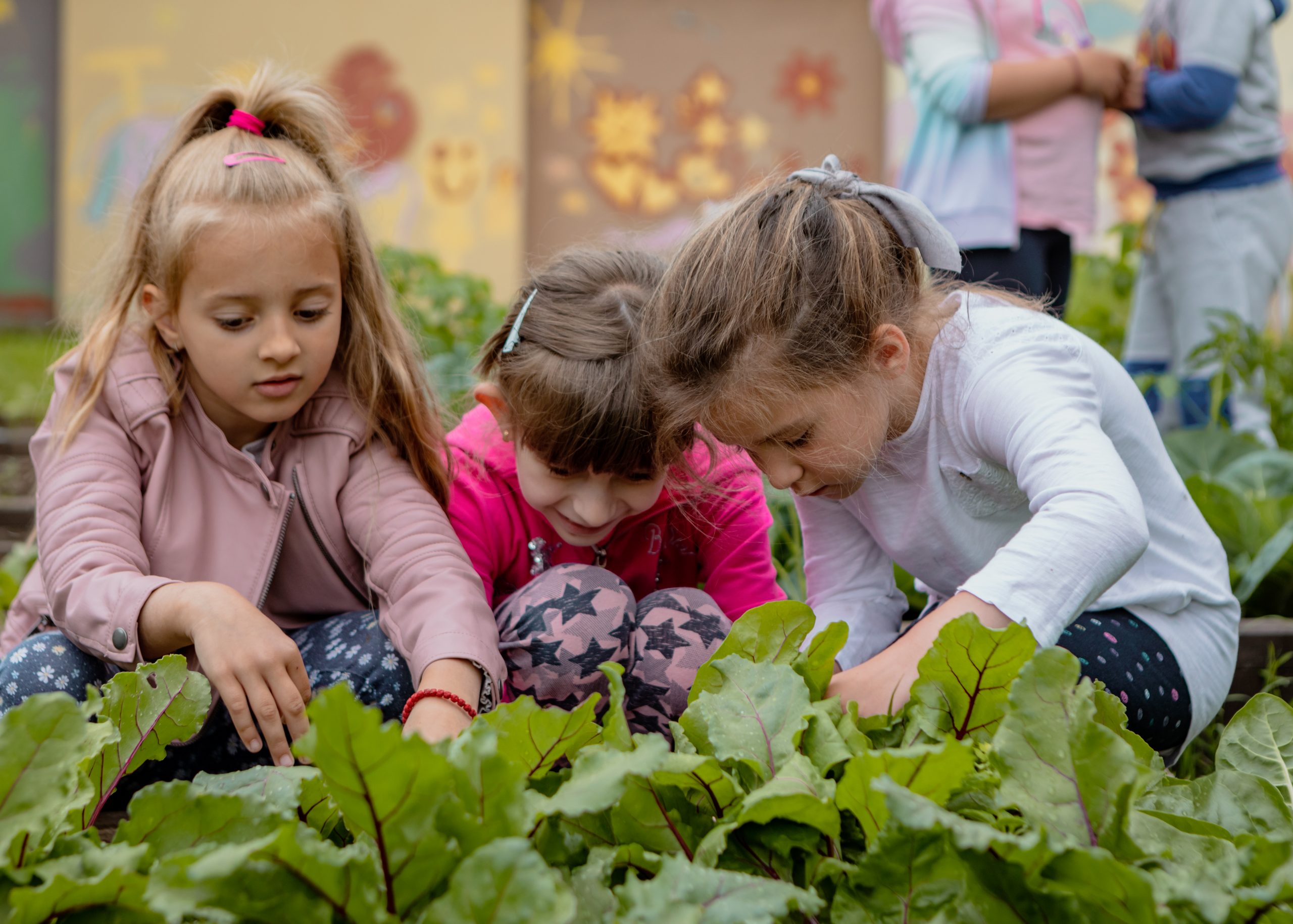
- Gardening = biology, weather, and responsibility
- Shopping = budgeting and real-world math
You can even turn a walk into a scavenger hunt, or a family drive into a mini geography lesson. Learning doesn’t have to feel like school—it just needs to feel meaningful.
Blending Entertainment and Enrichment
Educational shows and videos can be great tools too. Try pairing them with fun follow-up activities:
- Watch a wildlife documentary, then draw your favorite animal
- Explore a “how it’s made” video, then try building something from recyclables
- Try simple video creation or journaling to reflect on what they’ve learned
In the End, Keep It Simple
Summer learning doesn’t need to be intense. A little consistency, a lot of creativity, and a focus on joy can make a big difference. Most importantly, let kids be kids—encourage play, exploration, rest, and discovery.

